 UNIQ
Oct 27, 2026
Cloud posture in healthcare: generic tooling doesn't tell patient data apart from everything else
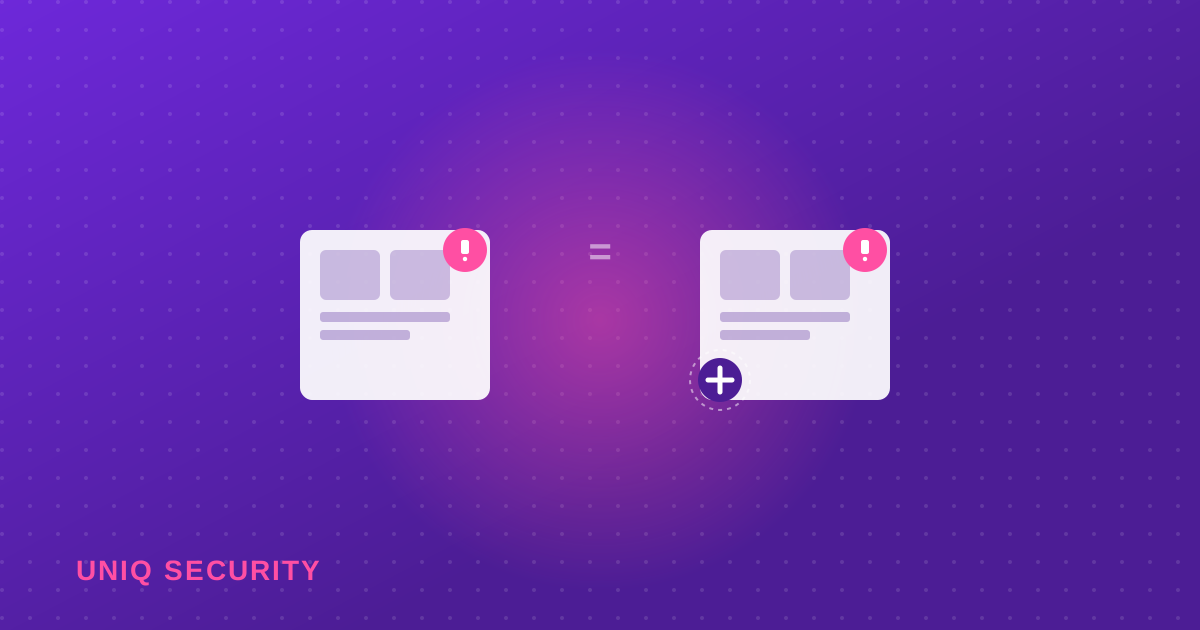
CNAPP flags a public bucket and an overprivileged role with the same ruler on any workload. In a healthcare environment, that means treating an exposed diagnostic image with the same priority as a misconfigured marketing site.
A healthcare operation that adopts a cloud posture tool — the same CNAPP category used in any other industry — usually gets a list of misconfiguration alerts: a public storage bucket, an excessive permission, an unnecessary open port. What that list rarely distinguishes is whether that specific workload holds patient data or something entirely generic.
To a standard posture tool, a public bucket is a public bucket — it gets the same technical severity score whether it hosts images for the institutional website or stores diagnostic imaging tagged with patient identifiers. That missing clinical context in prioritization is the real problem.
CNAPP sees configuration, not data classification
CNAPP unifies posture, workload protection, and configuration into a single visibility layer — but that unification, by default, operates on the technical severity of the misconfiguration, not on the type of data it exposes. Two buckets with the exact same permission flaw get the same risk score, even if one holds marketing assets and the other holds medical records.
The wrong priority costs time healthcare doesn't have
A security team working through an alert list by technical severity alone, without that extra context, risks fixing what's technically more severe but clinically irrelevant first — while the workload actually exposing patient data waits in the same queue as every other generic item on the list.
Pairing data classification with cloud posture
The fix is specific and technical: connect cloud posture to a data classification layer that identifies where sensitive data actually lives before trying to protect it, so each configuration alert's risk score automatically rises when the workload involved holds patient data. That turns the generic alert list into one prioritized by what actually matters for that specific operation.
This doesn't replace access control
Well-prioritized cloud posture fixes exposure from misconfiguration — it doesn't address who has legitimate permission to access that clinical data. These are two complementary layers, not interchangeable ones: one makes sure the data isn't exposed by a configuration error, the other makes sure that, even without an error, only the right people can reach it.
Equal technical risk doesn't mean equal clinical risk
A healthcare operation that treats every cloud misconfiguration with the same ruler is prioritizing wrong, even if it eventually fixes everything. UNIQ helps this kind of operation connect cloud posture with real data classification. Talk to the technical team to structure that prioritization.